Association between low-density lipoprotein cholesterol and cardiovascular mortality in statin non-users: a prospective cohort study in 14.9 million Korean adults https://pubmed.ncbi.nlm.nih.gov/35218344/
Dietary intakes of flavonols, flavones and isoflavones by Japanese women and the inverse correlation between quercetin intake and plasma LDL cholesterol concentration
The effect of adiponectin in the pathogenesis of non-alcoholic fatty liver disease (NAFLD) and the potential role of polyphenols in the modulation of adiponectin signaling: https://www.sciencedirect.com/science…
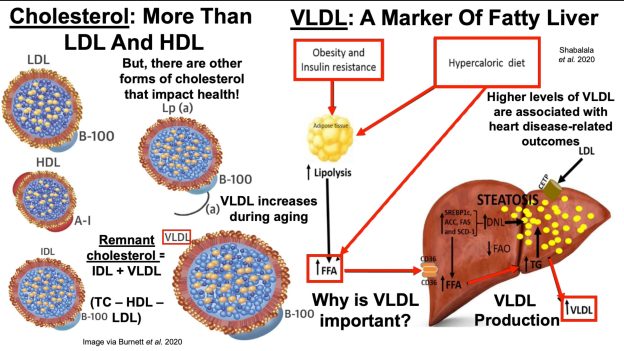
Long-term coronary heart disease risk associated with very-low-density lipoprotein cholesterol in Chinese: the results of a 15-Year Chinese Multi-Provincial Cohort Study (CMCS): https://pubmed.ncbi.nlm.nih.gov/20223…
Hyperhomocysteinemia and risk of incident cognitive outcomes: An updated dose-response meta-analysis of prospective cohort studies: https://pubmed.ncbi.nlm.nih.gov/30826…
Association between Homocysteine Levels and All-cause Mortality: A Dose-Response Meta-Analysis of Prospective Studies: https://www.nature.com/articles/s4159…
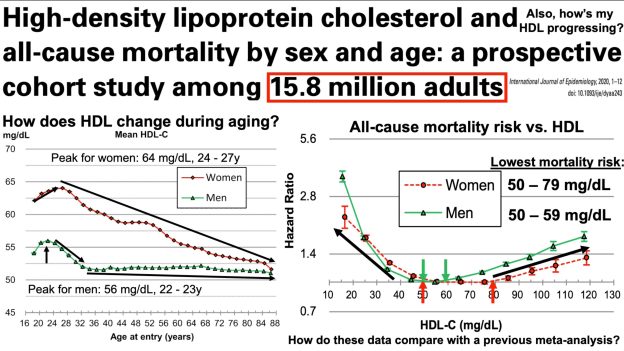
In November 2020, I made a HDL video based on a meta-analysis in ~3.4 million subjects that was published in July 2020. In Dec 2020, a larger study (n=15.8 million subjects) was published-those data are presented in the video, and compared against the meta-analysis.
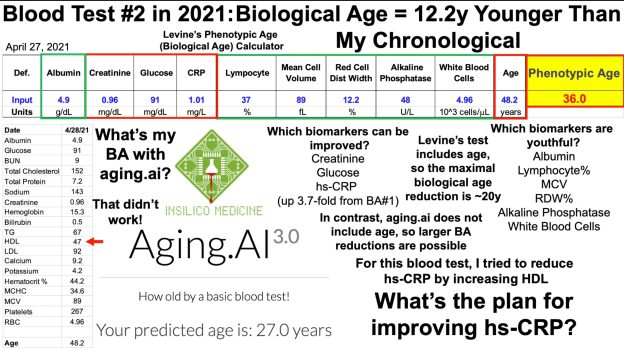
In addition, I’ve tested my HDL 2 more times since November 2020, so how’s my progress for getting it into the optimal range? Also, I attempt to derive clinical significance by identifying correlations for higher HDL with lower Lp(a) and hs-CRP.
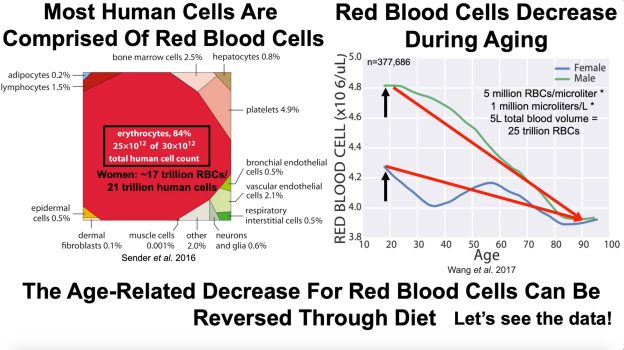
Red blood cells (RBC) are the most abundant cell type in the human body. I’ve tracked my RBC levels in conjunction with diet since 2015, and with the goal of reversing the age-related decline for RBCs, which dietary components have the strongest correlation with RBCs?



 Michael Lustgarten