Category Archives: Video

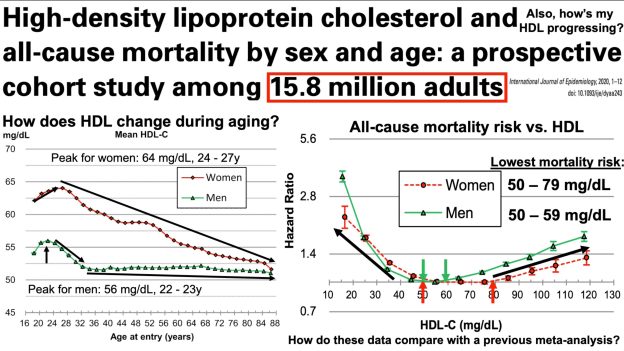
HDL Update: Age-Related Changes, All-Cause Mortality Risk, And Progress Towards The Optimal Range

In November 2020, I made a HDL video based on a meta-analysis in ~3.4 million subjects that was published in July 2020. In Dec 2020, a larger study (n=15.8 million subjects) was published-those data are presented in the video, and compared against the meta-analysis.

In addition, I’ve tested my HDL 2 more times since November 2020, so how’s my progress for getting it into the optimal range? Also, I attempt to derive clinical significance by identifying correlations for higher HDL with lower Lp(a) and hs-CRP.

Video link: https://www.youtube.com/watch?v=MUuKlpyvZaU
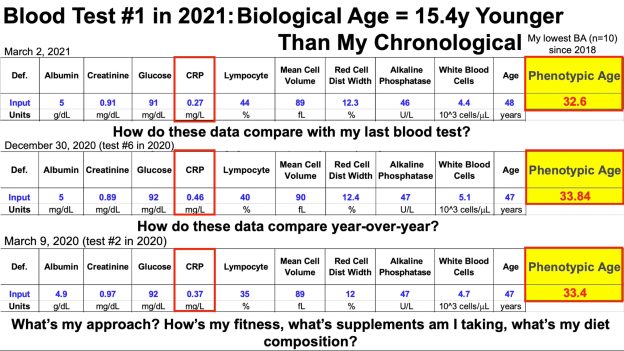
Quantifying Biological Age: Blood Test #1 in 2021

Results for my first blood test in 2021 are in-what’s my biological age, and how am I optimizing it?

If you’re interested in calculating your biological age, the spreadsheet is included as an Excel file in this link:

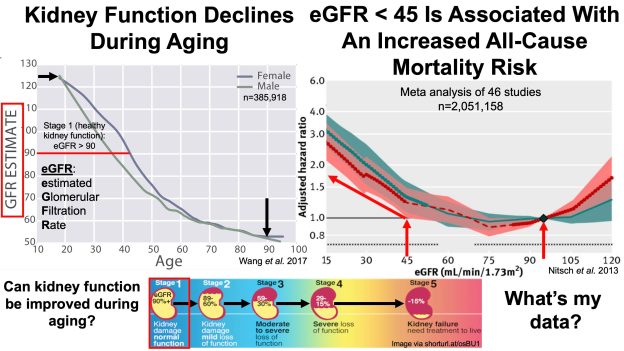
Kidney Function Declines During Aging-Can It Be Reversed?

Discussed in the video:

Data for changes in kidney function during aging, kidney function values that are associated with an increased risk of death for all causes

What’s my data for kidney function, 2006 – 2020?

Can diet impact kidney function?

Within my data, which foods are correlated with good kidney function?

How are the individual components of these foods (fiber, protein, omega-3 fatty acids) correlated with kidney function?

Microbes Affect The Hallmarks Of Aging: Mitochondrial Dysfunction (Part II)

The Hallmarks of Aging are well established, but what is less discussed is the impact of microbes. Viruses, including SARS-CoV-2 and HSV-1 cause mitochondrial dysfunction-more specifically, they cause mitochondria to release some of their DNA, which triggers antiviral immunity. When considering that blood levels of mitochondrial DNA increase during aging, is aging characterized by an increased viral burden?

Apigenin Increases Muscle Mass And Improves Muscle Function In Both Young And Old Mice

In an earlier video, I presented data for apigenin’s ability to increase levels of NAD+. In addition to apigenin’s impact on NAD+, apigenin supplementation increases muscle mass, strength, and treadmill running distance in both young and old mice.

Video link for NAD+ is increased in response to apigenin: https://youtu.be/5-2YoGctcCk?list=UUT…

Paper links:

Apigenin enhances skeletal muscle hypertrophy and myoblast differentiation by regulating Prmt7: https://pubmed.ncbi.nlm.nih.gov/29108…

Apigenin Ameliorates the Obesity‐Induced Skeletal Muscle Atrophy by Attenuating Mitochondrial Dysfunction in the Muscle of Obese Mice: https://onlinelibrary.wiley.com/doi/a…

Antioxidant Apigenin Relieves Age-Related Muscle Atrophy by Inhibiting Oxidative Stress and Hyperactive Mitophagy and Apoptosis in Skeletal Muscle of Mice: https://pubmed.ncbi.nlm.nih.gov/32857…

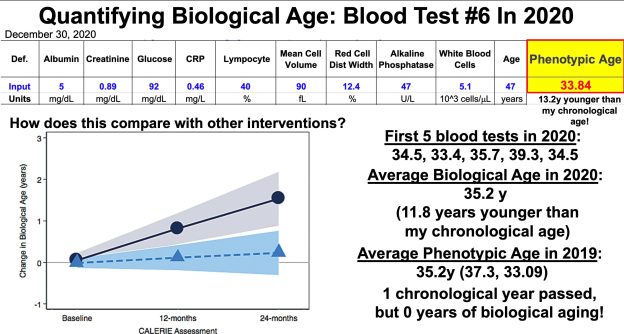
Blood Test #6 In 2020: What’s My Biological Age?

Discussed in the video:

What’s my biological age on blood test #6 in 2020?

What’s my average biological age for 2020, and how does it compare with 2019?

Are there links between calorie intake, cardiovascular fitness (RHR, HRV), and diet composition with my biological age?

LDL Cholesterol: What’s Optimal For Health And Longevity?

LDL is arguably the most debated biomarker in terms of what’s optimal for health. In the video, I present data showing that 100 – 140, not 50 – 70 mg/dL may be optimal in terms of minimizing disease risk and maximizing longevity.

My Road to Maximize Lifespan – Monitor Biomarkers To Reverse Aging | Dr. Michael Lustgarten | Parts I – VII

Here’s an interview that I did with Richard at Modern Healthspan, one of the best interviewers in aging!

Part I: Monitoring Biomarkers to Reverse Aging:

Part II, Diet, CR & Fasting:

Part III: Exercise, Protein

Part IV: Optimize Nutrients Through Diet

Part V: Inhibit CD38 to Optimize NAD

Part VI: Microbiome Impact on Muscle Metabolism

Part VII: Preferred Diet & Habit for Longevity

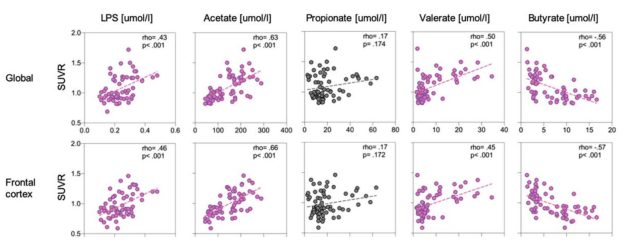
Paper Discussion: Short-Chain Fatty Acids and Lipopolysaccharide as Mediators Between Gut Dysbiosis and Amyloid Pathology in Alzheimer’s Disease

In the video below, Steve Hill from Lifespan.io and I talk about findings from a recent paper (https://content.iospress.com/articles/journal-of-alzheimers-disease/jad200306) that supports a role for the gut microbiome on Alxheimer’s disease. Check it out!